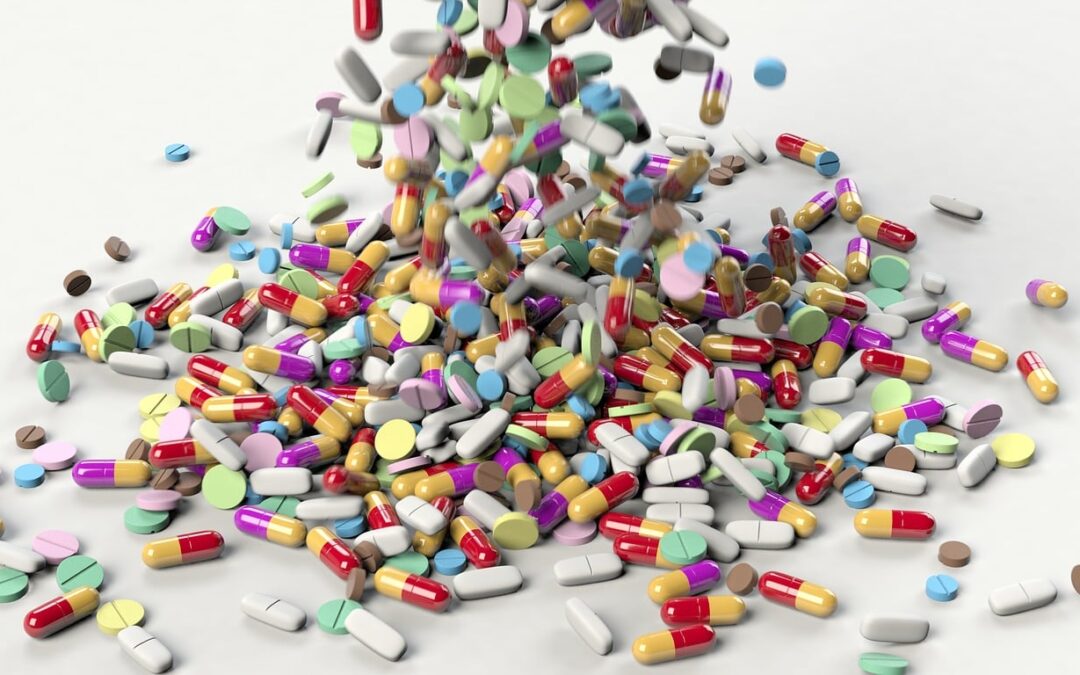
Functional Analogues: Unlocking Therapeutic Innovation with Molecular Mimicry
The Power of Function Over Form In chemistry and pharmacology, the concept of a functional analogue is both subtle and profound. These are compounds that, while not necessarily sharing structural similarity, mirror the physical, chemical, biochemical, or...

Understanding Dissociation: The Science, Symptoms, and Surprising Discoveries
Not Just "Zoning Out" Dissociation is commonly misunderstood as mere "spacing out" or daydreaming. In reality, it's a complex mental state where an individual can feel intensely detached from their emotions, memories, sense of self, or environment (1). While transient...

The Medical Renaissance: Psychedelics in Modern Medicine
A Paradigm Shift in Healthcare Psychedelic substances—once relegated to the underground—are now reemerging as formidable tools in mainstream medicine. After decades of prohibition, there's a global resurgence in scientific research, political engagement, and cultural...

All you need to know about Hallucinogen Persisting Perception Disorder (HPPD)
The Curious Case of Flashbacks That Never End Beyond the Trip – When Hallucinogen Effects Persist Hallucinogen Persisting Perception Disorder (HPPD) is a rare and often misunderstood condition characterized by enduring visual disturbances and perceptual changes after...

Ibogaine: Exploring the Potential and Perils of a Psychedelic Therapy
The Enigmatic Alkaloid Ibogaine, a naturally occurring psychoactive compound extracted from the root bark of the Tabernanthe iboga shrub native to West Africa, has garnered attention for its purported ability to interrupt substance use disorders, particularly opioid...
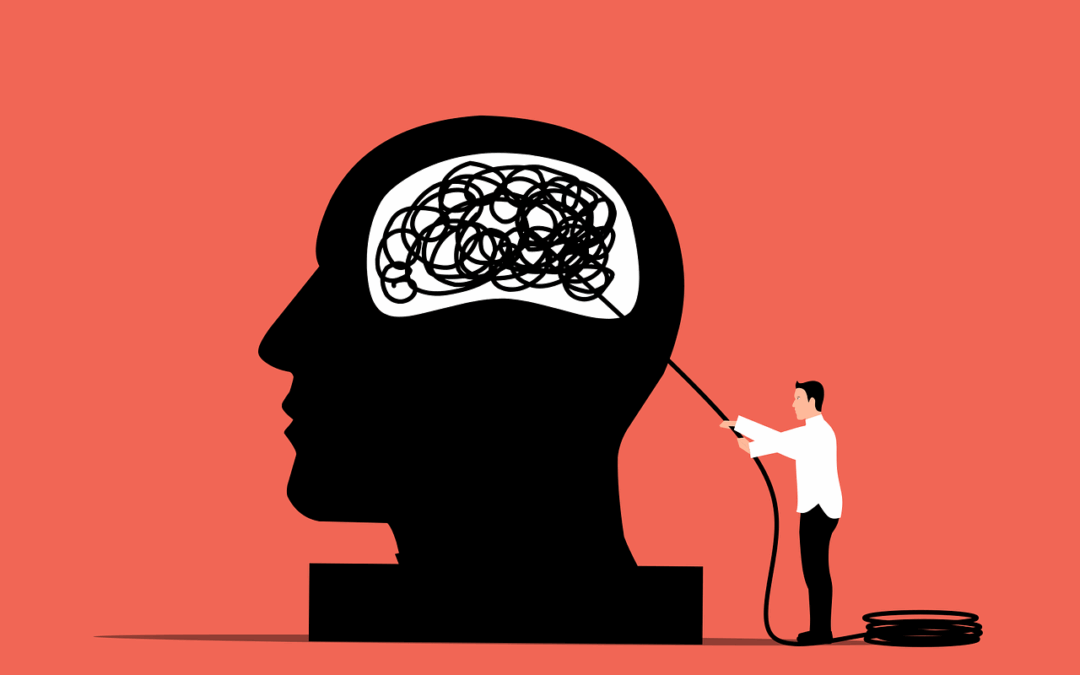
Behavioral Therapy: All You Need To Know About Behavioral Therapy
The Power of Behavior-Oriented Change Behavioral Therapy (BT) is grounded in the principle that observable actions, rather than unobservable thoughts, drive human behavior. Originating in the early 20th century through the pioneering work of psychologists like Ivan...
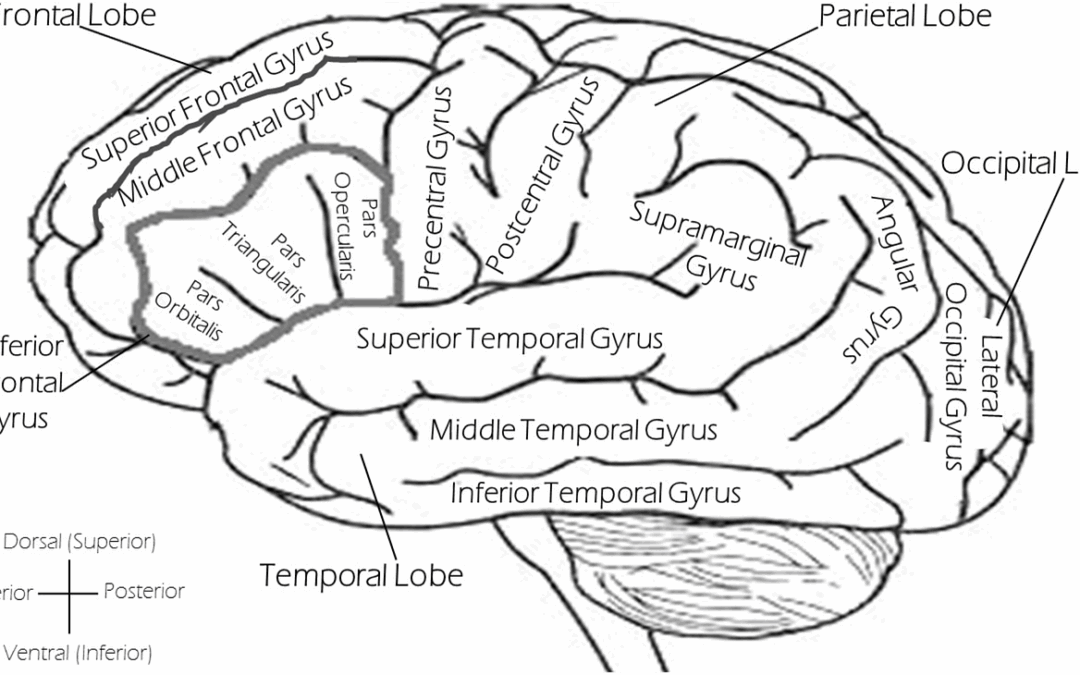
Substance Use Disorders: Understanding the Science, Risks, and Recovery
Defining Substance Use Disorders: A Chronic Disease of the Brain Substance Use Disorders are not mere lapses in self-control or moral failure—they are recognized as chronic, relapsing brain disorders characterized by compulsive drug-seeking and use, even in the...
Cognitive Behavioral Therapy (CBT): Unveiling the Depths of a Transformative Approach
The Evolution of CBT Cognitive Behavioral Therapy (CBT) stands as a cornerstone in the realm of psychological interventions, renowned for its structured, goal-oriented approach to addressing a myriad of mental health issues. Emerging in the 1960s through the...

Mescaline: Exploring the Science, History, and Therapeutic Potentials
Mescaline's Enduring Legacy Mescaline, a naturally occurring psychedelic compound, has been used for millennia in spiritual and healing ceremonies by Indigenous cultures, particularly in the Americas. Derived primarily from cacti such as peyote (Lophophora williamsii)...
MDMA-Assisted Therapy: Revolutionizing Trauma Treatment with Empathy and Neuroscience
The Rebirth of a Controversial Molecule MDMA, often associated with rave culture and known colloquially as “ecstasy” or “molly,” is undergoing a remarkable transformation—from party drug to groundbreaking therapeutic tool. Once criminalized and stigmatized, MDMA is...