
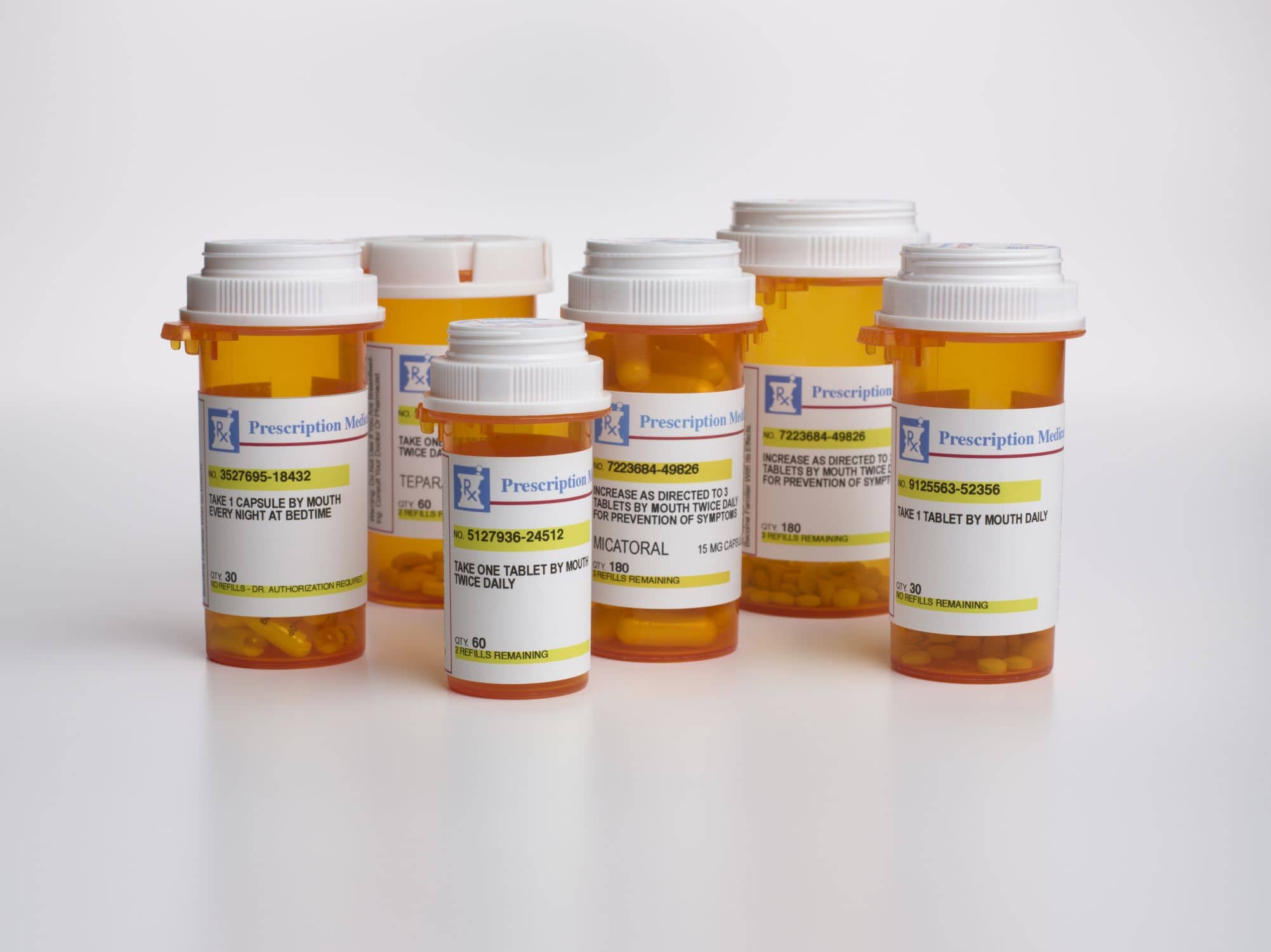
Opioid analgesics are often hailed as some of the most effective painkillers available, capable of turning excruciating pain into tolerable relief. Yet, alongside their medical importance lies a darker reality: tolerance, dependence, addiction, and long-term health risks.
In this article, we take a deep dive into the downsides of opioid use, examining how these drugs can transition from being a lifeline to becoming a liability. We’ll explore short- and long-term side effects, the risk of overdose, and the broader societal impacts of opioid misuse.
(For a broader overview of both benefits and risks, see our Complete Guide to Opioid Analgesics.)

Tolerance – When Relief Requires More
What is Tolerance?
Tolerance occurs when the body becomes accustomed to a drug, reducing its effectiveness. Over time, patients may require higher doses to achieve the same level of pain relief.
Why Tolerance Develops
- Neuroadaptation: Opioid receptors become less responsive after repeated exposure.
- Neuroplastic changes: Brain circuits adapt, blunting the drug’s effects.
- Upregulated pain sensitivity: Some patients even experience worsening pain (opioid-induced hyperalgesia).
Clinical Implications
Doctors must carefully monitor dosing. Escalating doses increases risks of side effects and overdose without guaranteeing better pain control.
(See also our article on How Opioids Affect the Body for the biological mechanisms behind tolerance.)
Dependence – The Body’s Reliance on Opioids
Physical Dependence
With continued opioid use, the body adapts to the presence of the drug. When doses are reduced or stopped, withdrawal symptoms occur:
- Anxiety, restlessness
- Sweating, chills
- Diarrhea, nausea
- Muscle aches
Dependence does not always equal addiction — but it is often the first step toward it.
Psychological Dependence
Patients may feel unable to cope with pain without opioids, reinforcing continued use even when risks outweigh benefits.
Medical Perspective
Dependence is expected in long-term opioid therapy. That’s why tapering protocols are recommended instead of abrupt discontinuation (CDC Guidelines).
Addiction – When Use Becomes Uncontrollable
Addiction, or opioid use disorder (OUD), goes beyond dependence. It involves compulsive drug-seeking despite harmful consequences.
Signs of Addiction
- Taking more than prescribed
- Craving opioids
- Neglecting responsibilities
- Continued use despite harm
Statistics
According to the National Institute on Drug Abuse, about 8–12% of patients prescribed opioids develop OUD, and roughly 21–29% misuse their prescriptions.
The Transition to Illicit Drugs
This has fueled the ongoing opioid crisis worldwide.
Patients cut off from prescriptions sometimes turn to heroin or illicit fentanyl, which are cheaper and more accessible.

Overdose – The Ultimate Risk
How Overdose Happens
Opioids suppress the brainstem’s respiratory center, slowing breathing to dangerous or fatal levels. Overdose risk increases with:
- High doses
- Mixing opioids with alcohol or benzodiazepines
- Illicitly manufactured fentanyl (50–100× stronger than morphine)
Global Data
- In the U.S., 80,411 opioid-related overdose deaths occurred in 2021 (CDC).
- In Canada, opioids were involved in nearly 20 deaths per day in 2022 (Government of Canada).
- The WHO estimates that opioid overdose deaths exceed 100,000 annually worldwide (WHO).
Prevention Strategies
Education for patients and families is critical.
Naloxone distribution programs save lives by reversing overdoses.
Prescription monitoring reduces misuse.
Short-Term Side Effects
Even short-term opioid use can cause:
- Nausea and vomiting
- Constipation
- Drowsiness
- Dizziness
- Itching and sweating
These effects are uncomfortable but manageable. The bigger concern is when short-term use extends into long-term dependency.
Long-Term Health Risks
1. Hormonal Effects
Chronic opioid therapy can suppress hormone production, leading to:
- Low testosterone in men
- Infertility issues in women
- Osteoporosis risk due to hormonal imbalance
(Source: Endocrine Society)
2. Cognitive and Emotional Impairment
- Memory and concentration difficulties
- Increased risk of depression and anxiety
3. Opioid-Induced Hyperalgesia
Long-term use can paradoxically increase pain sensitivity, leading patients into a cycle of escalating doses without better pain relief (British Journal of Anaesthesia).
4. Gastrointestinal Complications
- Chronic constipation
- Bowel obstruction in severe cases
5. Immune Suppression
Emerging evidence suggests opioids may impair immune system function (PubMed).
Social and Societal Downsides
Beyond individual health, opioids have ripple effects:
- Families: Addiction can fracture relationships.
- Workforce: Lost productivity and absenteeism.
- Healthcare systems: Rising costs of treatment and overdose management.
- Criminal justice: Increase in illicit opioid trafficking and related crime.
According to a 2019 study, the economic burden of prescription opioid misuse in the U.S. is estimated at $78.5 billion annually (NIH).
Balancing Risks and Benefits
Not all opioid use is negative. For cancer pain and palliative care, opioids remain indispensable. The challenge lies in using them responsibly, with careful monitoring and clear limits.
Doctors today adopt a risk–benefit framework, prescribing opioids only when:
- Pain is severe and alternatives are ineffective
- Benefits clearly outweigh risks
- Patient monitoring and tapering plans are in place
Frequently Asked Questions
Are all opioids equally risky?
No. Some opioids (like fentanyl) are far more potent than others, increasing overdose risk.
Can opioids cause permanent damage?
Long-term misuse can cause hormonal imbalance and cognitive impairment, though some effects are reversible after discontinuation.
Why do some patients develop addiction while others don’t?
Genetics, mental health, and environment all influence vulnerability.
Can the downsides be avoided with medical supervision?
Supervision reduces risks, but cannot eliminate tolerance, dependence, or side effects entirely.
Conclusion
Opioid analgesics can be a medical necessity — but they come with serious downsides. Tolerance, dependence, addiction, overdose, and long-term health complications make them a double-edged sword.
Patients and doctors must work together to minimize risks through cautious prescribing, patient education, and exploring safer alternatives.
👉 Continue your learning:
- Complete Guide to Opioid Analgesics
- Why Doctors Limit Opioid Prescriptions
- How Opioids Affect the Body
- Etizolam Withdrawal & Dependence: Understanding the Risks
- Etizolam Dosage & Administration: Research Guidelines and Safety Tips
- 1P-LSD Safety Profile: Risks, Side Effects, and Harm Reduction
- Potential Therapeutic Uses of 1P-LSD: Insights from Psychedelic Science
- Legal Status of 1P-LSD Worldwide: A Country-by-Country Guide
Recent Comments