
Description
Buy 1P-LSD Blotters: A Complete Guide to Uses, Mechanism, Legality, and Safety
Brief Overview
-
1P-LSD (1-propionyl-lysergic acid diethylamide) is a psychedelic research chemical closely related to LSD.
-
Functions as a prodrug of LSD, meaning it metabolizes into LSD in the body (1).
-
Primarily studied for its action at the 5-HT2A receptor, central to psychedelic effects (2).
-
Legal status varies: controlled in the UK & Germany; legal gray area in other regions (3).
-
Potential research uses: psychedelic neuroscience, psychiatric therapy models, and receptor-binding studies (4).
-
Safety considerations: risks mirror LSD—anxiety, perceptual distortions, psychological distress (5).
-
Why buy from us: certified sourcing, lab-tested purity, discreet shipping, fair pricing.
What is 1P-LSD?
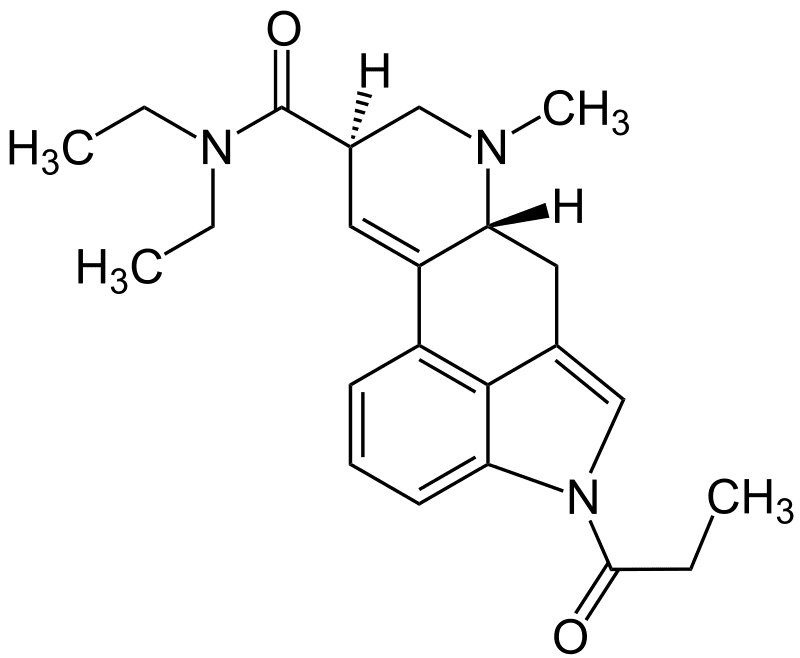
1P-LSD, or 1-propionyl-lysergic acid diethylamide, is a synthetic lysergamide that has gained prominence in recent years as a research chemical. Chemically, it is a structural analog of LSD with a propionyl group added to the nitrogen of the indole ring. This subtle modification places 1P-LSD in the category of prodrugs, compounds that are inactive or weakly active until metabolized into an active drug inside the body.
1P-LSD was first made available in the early 2010s, shortly after renewed global interest in psychedelic research. Because LSD is widely prohibited under Schedule I/controlled substance laws, 1P-LSD entered the market as a legally ambiguous substitute for research institutions, educational labs, and forensic toxicologists.
Although not intended for human consumption, 1P-LSD has attracted interest in both scientific and underground communities due to its similarity to LSD. Researchers consider it an important tool for investigating the pharmacology of psychedelic substances in a controlled, legal environment.
Product information
IUPAC-name (6aR,9R)-N,N-Diethyl-7-methyl-4-propanoyl-6,6a,8,9-tetrahydroindolo[4,3-fg]quinoline-9-carboxamide
Synonyms 1-propionyl-lysergic acid diethylamide, 1-propionyl-LSD
Formal name 1P-LSD
Cas number 2349358-81-0, 100001-00-1
Formula C23H29N3O2
Molar mass 379.504 g·mol−1
Formulation Appearance Blotters
Shipping & Storage Information
1-Propionyl-d-lysergic acid diethylamide hemi-tartrate (1P-LSD) has been obtained as a “research chemical” for straws and powdered materials. This uncontrolled derivative of d-lysergic acid diethylamide (LSD), belongs to the psychedelic class of the lysergamide class that is, a functional analog and derivative of LSD and a homolog to the ALD-52. 1P-LSD exhibits a partial agonist effect at the 5-HT2A receptor. Its effects are believed to originate from the activation of the 5-HT2A receptor’s central nervous system.
1P LSD is one of the most potent recreational drugs on the market today. It was initially developed as a pharmaceutical, but has rapidly gained popularity due to its powerful effect and unique chemical makeup. Although it is an expensive drug, many people are choosing to go the medical route when trying to treat their addiction.
Mechanism of Action: How 1P-LSD Works
1P-LSD as a Prodrug
The most important feature of 1P-LSD is its role as a prodrug of LSD. After ingestion, the propionyl group is removed through metabolic hydrolysis, producing LSD in the bloodstream (1).
This explains why most subjective reports describe 1P-LSD’s effects as virtually identical to LSD, though sometimes slightly delayed in onset. For researchers, this property makes 1P-LSD an invaluable analog for exploring LSD’s mechanisms while navigating stricter legal environments.
Receptor Binding and Brain Activity
Once converted into LSD, 1P-LSD exerts its effects through serotonin receptor agonism, with the most important target being the 5-HT2A receptor (2).
Key receptor interactions include:
-
5-HT2A agonism: Responsible for altered perception, cognition, and sensory enhancement.
-
5-HT1A modulation: Associated with anxiolytic and mood-regulating effects.
-
5-HT2C activation: Contributes to emotional processing and visual distortions.
-
Dopamine D2 receptor interaction: Explains stimulating and motivational effects.
-
Adrenergic receptor modulation: Affects alertness and physiological arousal.
Pharmacology of 1P-LSD
Pharmacological research confirms that 1P-LSD is a prodrug of LSD. The compound carries a propionyl group at the indole nitrogen, but once ingested it is rapidly hydrolyzed in serum, producing LSD as the active metabolite. LC-MS/MS analysis demonstrates negligible parent compound alongside robust LSD levels post-administration (5b).
The result: 1P-LSD’s receptor pharmacology mirrors that of LSD. The active metabolite acts as a partial agonist at the 5-HT2A receptor, the primary driver of psychedelic effects. Secondary receptor interactions include 5-HT1A, 5-HT2C, dopamine D2, and adrenergic systems, which together modulate mood, affect, stimulation, and autonomic responses (2b, 3b).
At the systems level, LSD—and by extension 1P-LSD—enhances global brain connectivity, dampens default mode network activity, and modulates emotional and cognitive processing (4b). This aligns with reports of heightened empathy, creativity, and perceptual flexibility.
For researchers, the key value of 1P-LSD lies in its ability to serve as a regulatory workaround. In jurisdictions where LSD is scheduled, 1P-LSD may be legally obtainable for research. However, caution is required: many countries have analog laws that could classify it under existing LSD controls.
👉 Read the full breakdown in Pharmacology of 1P-LSD.
Applications and Use Cases in Research
Neuroscience Research
1P-LSD provides a research-friendly pathway to studying psychedelics, allowing laboratories in jurisdictions where LSD is prohibited to still investigate lysergamide pharmacology. Potential areas of study include:
-
Consciousness and cognition: Mapping how psychedelics alter default mode network (DMN) activity.
-
Neuroplasticity: Investigating whether 1P-LSD promotes synaptic growth similar to LSD and psilocybin.
-
Psychophysiology: Understanding sensory gating and altered states through EEG/fMRI.
Psychiatry and Psychotherapy Models
Although not approved for clinical use, 1P-LSD is explored as a stand-in model for psychedelic-assisted therapy. Research with LSD shows potential in:
-
Treating depression, anxiety, and PTSD.
-
Reducing end-of-life distress in terminal illness patients.
-
Enhancing emotional breakthroughs during therapy (4).
Forensic and Educational Research
1P-LSD is valuable for:
-
Forensic detection methods, helping law enforcement identify novel lysergamides.
-
Toxicology, exploring metabolism and breakdown pathways.
-
Educational settings, where it can be used as an example of drug analogs in pharmacology courses.
Comparisons: 1P-LSD vs Other Lysergamides
| Compound | Structural Feature | Status | Reported Potency | Legal Status (general) |
|---|---|---|---|---|
| LSD | Parent compound, no propionyl group | Schedule I in most countries | Baseline | Widely illegal |
| 1P-LSD | Propionyl group on indole nitrogen | Prodrug of LSD | ~Equal to LSD | Legal gray zone in some regions |
| ALD-52 | Acetyl substitution | Prodrug of LSD | ~Equal, possibly “softer” | Controlled in most EU |
| ETH-LAD | Ethyl substitution on amide | Not a prodrug | Slightly more potent | Illegal in many countries |
1P-LSD vs LSD
1P-LSD vs LSD: What Researchers Need to Know (at a glance)
Chemistry & conversion. 1P-LSD differs from LSD by a propionyl group at the indole N-1, yet controlled analytical work shows it rapidly hydrolyzes to LSD after administration—establishing 1P-LSD as a prodrug. In practice, that means downstream pharmacology and effects primarily reflect LSD exposure ([1a]). Why it matters: Many “differences” reported between the two likely trace back to dose form, context, and individual metabolism rather than distinct receptor pharmacology.
Mechanism & effects. After conversion, LSD’s classic 5-HT2A agonism dominates, with additional serotonergic, dopaminergic, and adrenergic interactions shaping perception, affect, and cognition ([2a], [6a]). Prosocial/affective changes reported in human work with LSD help frame expected outcomes when 1P-LSD is used as a proxy ([4a]).
Legality & compliance. Here they diverge most. LSD is widely scheduled. 1P-LSD is restricted under the UK Psychoactive Substances Act and Germany’s NpSG, while in the US it risks enforcement as a Federal Analogue when intended for human consumption ([3a], [7a], [10a]). Bottom line: get written legal clarity and restrict procurement to research-use-only pathways.
Takeaway for labs. If your objective is to model LSD pharmacology under tighter LSD controls, 1P-LSD can be a workable route—provided you validate conversion (e.g., LC-MS/MS), standardize dose to LSD equivalents, and maintain robust SOPs for storage and documentation ([9a]).
👉 Read the full analysis: 1P-LSD vs LSD.
Nearly identical in subjective effects, but 1P-LSD’s delayed onset and legal ambiguity distinguish it.
1P-LSD vs ALD-52
Both act as prodrugs of LSD, but ALD-52 has anecdotal reports of being “less intense”.
1P-LSD vs ETH-LAD
ETH-LAD is not a prodrug but a distinct analog. It is reported as more potent, with more complex visual phenomena.
Benefits and Risks
Benefits in Research
-
Accessibility: Enables research in regions where LSD is banned.
-
Predictability: Effects align closely with LSD, easing experimental design.
-
Scientific relevance: Helps researchers study receptor interactions and psychopharmacology.
Risks and Side Effects
According to reports compiled in the Psychopharmacology Journal (5), risks of 1P-LSD are essentially those of LSD:
Acute Risks:
-
Panic, anxiety, or confusion.
-
Intense perceptual distortions leading to risky behavior.
-
Nausea, dilated pupils, elevated heart rate.
Chronic Risks:
-
HPPD (Hallucinogen Persisting Perception Disorder): lingering visual disturbances.
-
Psychological distress in vulnerable individuals.
Legal Risks:
Even where unscheduled, analog laws may allow prosecutors to treat 1P-LSD as illegal.
1P-LSD Safety Profile: Harm Reduction
Understanding the safety profile of 1P-LSD is critical for researchers and policymakers alike. Because 1P-LSD metabolizes into LSD, its risks and side effects closely mirror those of its parent compound. At moderate research-relevant doses, common short-term effects include pupil dilation, elevated heart rate, mild hyperthermia, and sleep disruption, alongside acute psychological changes such as time distortion, heightened emotions, and anxiety in unsupportive environments (1d, 2d, 3d).
Longer-term risks are rare but may include Hallucinogen Persisting Perception Disorder (HPPD) and lingering anxiety in vulnerable individuals. Particular caution is warranted for those with psychosis-spectrum disorders or a family history of psychiatric instability. Like LSD, 1P-LSD may also interact unpredictably with other substances: SSRIs/SNRIs can blunt effects, MAOIs and stimulants heighten cardiovascular risks, and benzodiazepines or antipsychotics can terminate effects but should only be used under medical oversight (4d, 5d).
Effective harm reduction emphasizes laboratory verification of material, conservative dosing, controlled environments, trained sitters, and post-session integration. Institutional protocols typically include escalation thresholds, access to benzodiazepines for severe agitation, and structured aftercare (6d, 7d).
Ultimately, 1P-LSD should be regarded as a research chemical. Its risks are real but manageable when paired with best practices from modern psychedelic science.
👉 Read the full analysis here: 1P-LSD Safety Profile
Potential Therapeutic Uses of 1P-LSD: Insights from Psychedelic Science
The possible therapeutic applications of 1P-LSD are one of the most intriguing areas in modern psychedelic research. While no clinical trials have yet been conducted on 1P-LSD itself, its pharmacology as a prodrug of LSD suggests that many of its therapeutic potentials could mirror those of LSD and psilocybin [(1c), (2c)].
Mechanistically, 1P-LSD targets the serotonin 5-HT2A receptor, triggering altered brain connectivity, enhanced neuroplasticity, and shifts in perception and cognition. These effects may support therapy in depression, anxiety (including end-of-life distress), PTSD, and addiction. Early studies with LSD in the 1960s hinted at reductions in alcohol misuse, while modern psilocybin trials demonstrate rapid antidepressant and anxiolytic effects [(3c), (4c)]. Although speculative, 1P-LSD’s mechanistic overlap with LSD suggests it could share these therapeutic benefits.
Researchers also hypothesize that psychedelics may ease neurological conditions such as cluster headaches and migraine disorders, though evidence is currently anecdotal. Beyond psychiatry, the compound’s capacity to reduce existential anxiety could make it valuable in palliative care, where patients face distress linked to terminal illness.
For now, 1P-LSD remains a research chemical. Its use should be restricted to laboratory and preclinical exploration, pending dedicated human studies. Nonetheless, its role in psychedelic science highlights how small molecular modifications can yield big insights into therapeutic potential.
👉 Read the full analysis here: 1P-LSD Therapeutic Uses.
Legal Status of 1P-LSD Worldwide
1P-LSD Legal Status Worldwide: What Researchers Must Know
The legality of 1P-LSD varies widely by country and is tightening overall. In Europe, nations such as Germany (NpSG) and the UK (Psychoactive Substances Act) explicitly ban 1P-LSD; several others either list it directly or treat it under analogue/psychoactive-substances provisions. In North America, the United States doesn’t name 1P-LSD in the Controlled Substances Act, but the Federal Analogue Act allows prosecution if it’s intended for human consumption; Canada doesn’t list it by name, yet its similarity to LSD can bring it within Schedule III interpretation. In the Asia-Pacific region, Australia and Japan apply broad bans that effectively include lysergamide analogs, while New Zealand requires pre-market approval—1P-LSD is not approved.
For research teams, this patchwork means two things: (1) treat 1P-LSD as high-risk by default and (2) obtain formal legal and institutional clearance before procurement. Use strict language such as “for research use only— not for human consumption,” maintain chain-of-custody records, and confirm import/export permissions in writing. Even where the substance is unscheduled, analogue or psychoactive-substances laws may apply based on intent or presentation.
Key takeaways:
-
Laws shift; check current national statutes and agency guidance.
-
Institutional approvals and SOPs are essential (storage, transport, documentation).
-
Consider whether your goals can be met using alternate models or approved comparators when legal risk is uncertain.
👉 Read the full breakdown: 1P-LSD Legal Status: Country-by-Country Guide
👉 For context on mechanism and safety, see Pharmacology of 1P-LSD and 1P-LSD Safety Profile.
The European Monitoring Centre for Drugs and Drug Addiction (EMCDDA) recognizes 1P-LSD as a novel psychoactive substance under increasing regulation (3).
-
Germany: Controlled since 2019.
-
UK: Controlled under the Psychoactive Substances Act.
-
Denmark, Sweden, Austria: Also prohibited.
-
US: Not explicitly scheduled, but Analog Act applies.
-
Canada: Not scheduled federally, but subject to analog provisions.
-
Japan & Australia: Broad bans on LSD analogs include 1P-LSD.
Why Buy 1P-LSD Blotters from Us?
-
Purity and Testing: Every batch verified by independent labs.
-
Discreet Global Shipping: Neutral packaging, fast delivery.
-
Fair Pricing: Competitive market rates with bulk discounts.
-
Ethical Sourcing: Produced under strict research standards.
-
Support: Our team assists researchers with compliance guidance.
Frequently Asked Questions (FAQ)
Is 1P-LSD legal?
It depends on jurisdiction. Some countries classify it as controlled, while others do not (3).
Does 1P-LSD feel the same as LSD?
Yes, because it converts into LSD after metabolism (1).
Is it safe?
Not approved for human consumption. Reported risks are similar to LSD, including psychological distress and rare cases of persistent perception disorders (5).
Can I use it for therapy?
No. It is not approved for clinical or therapeutic use. Current interest is restricted to research (4).
Compliance Disclaimer
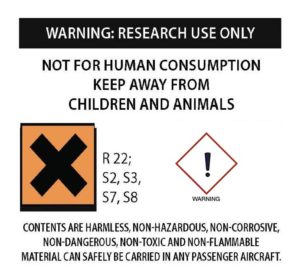
⚠️ Disclaimer: 1P-LSD is supplied strictly for research purposes only. Not for human consumption. Buyers must ensure compliance with all local laws and regulations.
WARNING This product is not for human or veterinary use.
This product is only available to persons of 21 years old and above.
Hazard statement(s)
| H302 | Harmful if swallowed |
| H315 | Causes skin irritation |
| H319 | Causes serious eye irritation |
| H332 | Harmful if inhaled |
| H335 | cause respiratory irritation |
| H336 | cause drowsiness or dizziness |
| Precautionary statement(s) | |
| P264 | Wash hands thoroughly after handling |
| P280 | protective gloves/protective clothing/eye protection/face protection |
| P305 + P351 + P338 | IF IN EYES: Rinse cautiously with for several minutes. Remove contact lenses, if present and easy to do. Continue rinsing. |
| P337 + P313 | If eye irritation persists: Get medical advice/attention |
| P261 | Avoid breathing dust/ fume/ gas/ mist/ vapors/ spray |
| P271 | Use only outdoors or in a well-ventilated area |
| P304 + P340 | IF INHALED: Remove victim to fresh air and keep at rest in a position comfortable for breathing |
| P312 | Call a POISON CENTER or doctor/physician if you feel unwell |
| P403 + P233 | Store in a well-ventilated place. Keep container tightly closed |
| P405 | Store locked up |
| P501 | Dispose of contents/container to a licensed disposal company |
revmcnair001 (verified owner) –
Best Quality I have had so far. Thanks
Jerry (verified owner) –
There’s no reason to change for another! Keep it up!
Organum (verified owner) –
Good customer service, fast shipping to Eastern EU.